General Preface:
Back in 1995, Hideaki Anno’s
Neon Genesis Evangelion (or EVA, for short) first aired in Japan. It started as a mecha anime, but it quickly became so much more—crossing borders, languages, and generations. Thirty years later, it’s still a huge cultural hit in Europe and North America. And let’s be real—it’s not just a “cartoon” or a sci-fi action show. The reason it’s still popular isn’t just the cool mecha fights (though those are awesome). It’s because it dives straight into what it means to be human—our vulnerabilities, our struggles—and fits right into global fashion and manga culture. Plus, it teaches lessons that still matter today. For us in the West, EVA isn’t just an anime—it’s like looking in a mirror, a style icon, and a chance to think about life in a new way.
.png?w=2130&h=3200)
Why EVA Still Resonates: Beyond the Mechs?
To get why
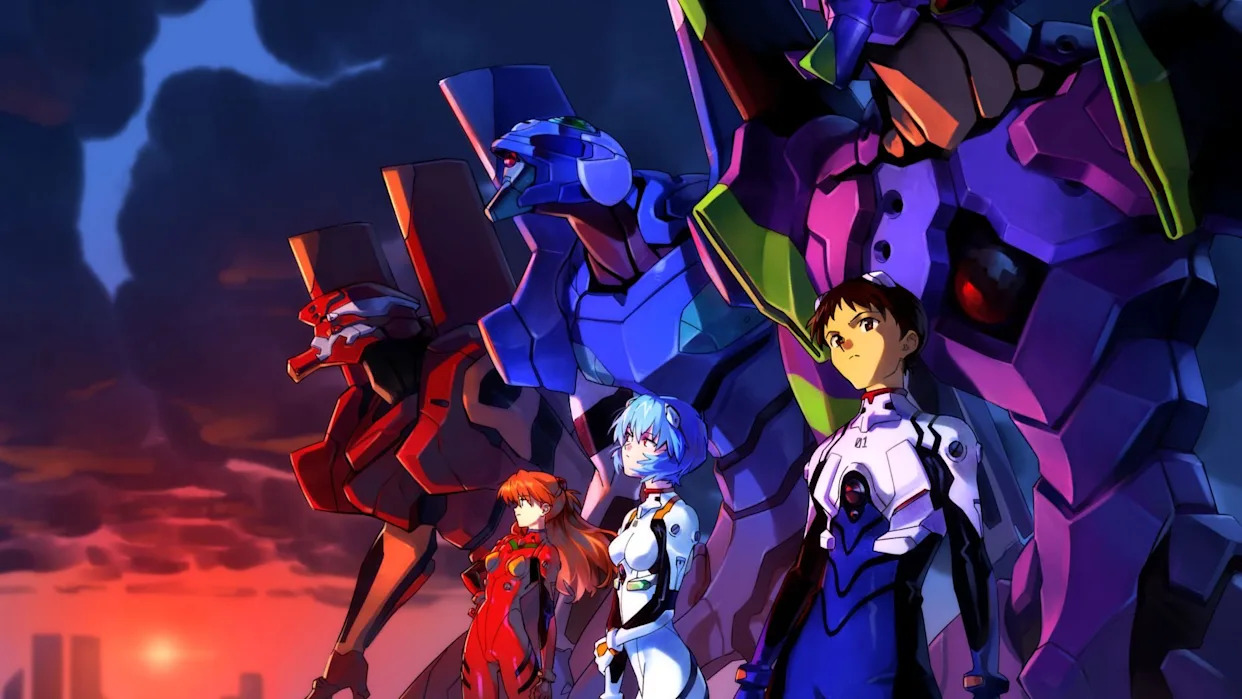
EVA still clicks with Western audiences, you have to look past the surface. On paper, it’s a post-apocalyptic story: teens Shinji Ikari, Asuka Langley Soryu, and Rei Ayanami pilot giant humanoid mechs (called Evangelions) to fight mysterious “Angels” and stop the world from ending. But what makes it different from other mecha classics like
Gundam or
Macross is that it doesn’t hold back when it comes to showing what it’s really like to be human—and that’s something everyone, no matter where they’re from, can relate to.
These days, Western audiences are tired of fake, perfect characters—we want realness and heart. That’s why
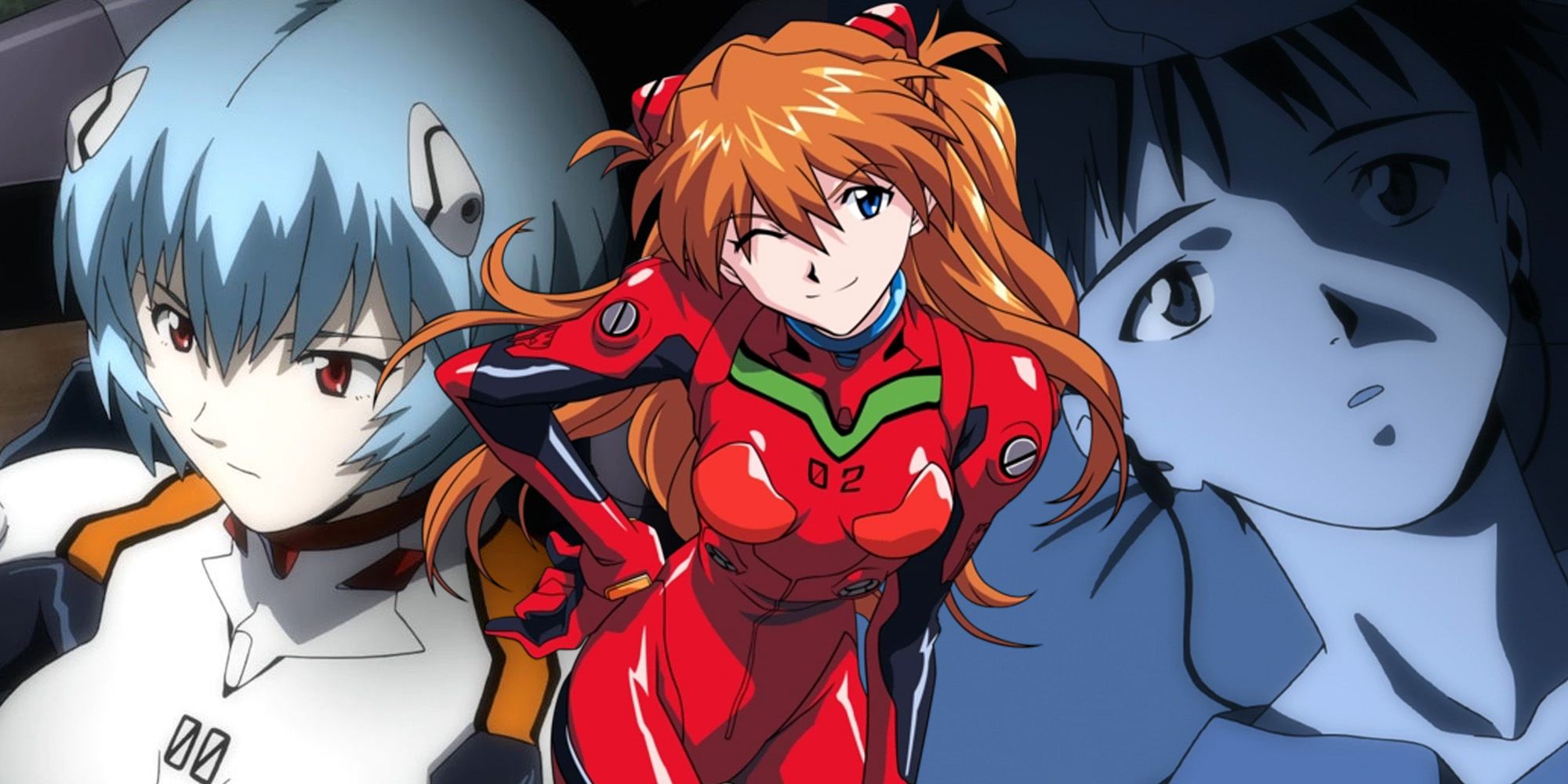
EVA’s flawed, relatable cast hits home. Shinji, the main character, isn’t some fearless hero. He’s a shy, insecure teen who’s hurt from being abandoned. He’s always second-guessing himself, and he’s stuck with the pressure to “save the world” when he can barely handle his own problems. Asuka is fiery and proud, but that’s just a cover for the pain she’s carrying. Rei is quiet and mysterious, and she’s still trying to figure out who she is—instead of just being a “tool” for everyone else. These aren’t one-note characters; they’re people dealing with loneliness, sadness, and the struggle to connect with others. And that’s something that feels just as real in New York, London, or Berlin as it does in Tokyo.
Timing also helped
EVA take off. Anno made the show while he was struggling with depression, and it came out during a time when the whole world felt uncertain—we had post-Cold War anxiety in the West, and Japan was going through its “Lost Decades” of economic trouble and feeling disconnected. Today, with so much loneliness, more talk about mental health, and so many of us wondering “what’s the point?”, EVA’s take on loneliness and learning to accept yourself feels more relevant than ever. As Anno once said, “
EVA is a story of growing up”—and growing up, with all its pain, confusion, and small wins, is something we all go through.
EVA’s Place in Fashion: From Subculture to Mainstream:
What makes
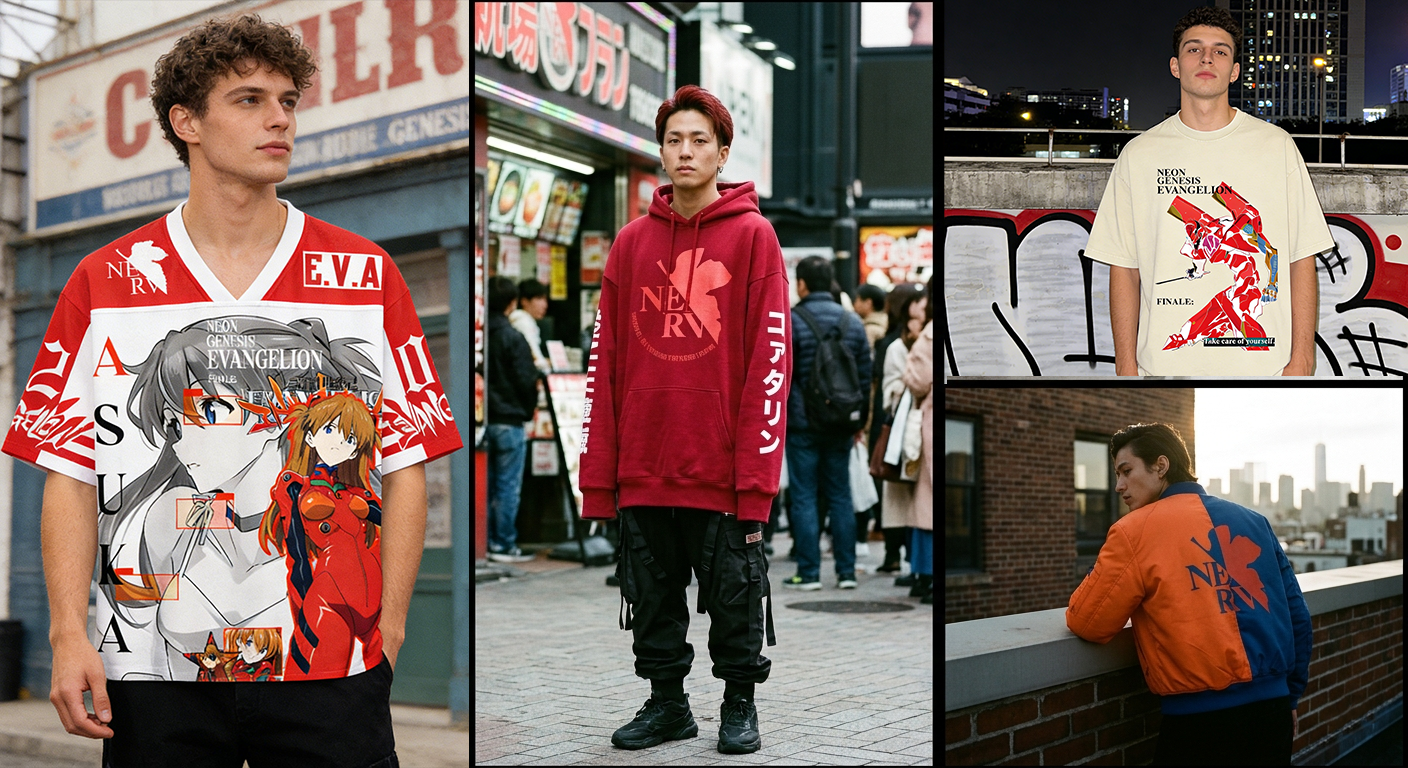
EVA stand out from other anime is how easily it’s snuck into Western fashion—from streetwear to high-end designer clothes. Its look is one-of-a-kind: bold colors (Unit 01’s neon purple, Unit 02’s bright red, Rei’s soft white and blue), smooth lines, and that cool industrial, utilitarian vibe. It’s become a staple in global fashion, and designers and street style fans alike can’t get enough of it. Leveraging this iconic aesthetic, our brand puts a fresh, innovative spin on EVA’s fashion legacy, seamlessly infusing its signature elements into everyday essentials—think sleek tees, sporty jerseys, and comfy tank tops. Every piece captures EVA’s one-of-a-kind charm, mixing the anime’s bold color scheme and industrial edge with wearable, practical designs that resonate with die-hard EVA fans and fashion-forward trendsetters alike.
Streetwear brands in Europe and the U.S. have jumped on the
EVA bandwagon, releasing collabs that mix the show’s futuristic feel with everyday clothes. Think hoodies with the NERV logo, jackets with Evangelion designs, or t-shirts with Rei’s iconic red eyes or Asuka’s sassy smile. These aren’t just “anime merch”—they’re a way to show your love for the show while still fitting in with Western street style. Even high-end designers have taken inspiration from
EVA, using its industrial lines and colors in their collections. It blurs the line between pop culture and high fashion, and it fits right in with the unisex, artsy cool that’s so popular today.
EVA’s influence goes beyond just clothes—it’s a visual language that changed how Western fashion looks at anime. Before EVA, anime-inspired clothes were seen as niche, like something only “nerds” would wear. But EVA’s sleek, moody look changed all that. It proved that anime could be a source of inspiration for high fashion. Today, you’ll see EVA’s designs in streetwear stores all over Europe and the U.S. That’s proof of its lasting style legacy—and its ability to bridge the gap between subculture and mainstream fashion.
EVA’s Impact on Manga and Western Comics:
EVA’s influence on manga and Western comics is just as big. In Japan, it completely redefined the mecha genre. Instead of the usual “hero saves the world” story, it focused on deep emotions and big questions about life—and that change spread to manga all over the world. For Western comic creators, EVA opened the door to more personal, character-driven stories. It proved that “genre” comics (like sci-fi or mecha) could be just as emotional and meaningful as regular books.
Western comics have borrowed a lot from
EVA: using religious and philosophical symbols (like Adam, Lilith, and the “Human Instrumentality Project”), focusing on flawed main characters, and mixing sci-fi with deep, emotional stories. Even modern Western shows and comics—like
Stranger Things (which focuses on trauma and friendship) or indie comics about mental health—show EVA’s influence. It taught Western creators that genre stories can tackle heavy topics—loneliness, trauma, who we are—without being boring.
EVA also made it easier for more Japanese manga to become popular in the West. Before EVA, manga was mostly a niche hobby in Europe and the U.S. But EVA’s success proved that Japanese stories could resonate with Western audiences. It opened the door for other big shows like
Attack on Titan and
Demon Slayer. It didn’t just change what we read—it changed how we see manga and anime. We started to see them as real art, not just “kids’ stuff”.
The Life Lessons EVA Teaches Us—Timeless and Universal:
At its core, EVA isn’t about mechs or angels—it’s about what it means to be human.
First: It’s okay to be broken.
All of EVA’s characters have scars—Shinji’s abandonment issues, Asuka’s trauma, Rei’s struggle to find herself. The show doesn’t try to hide their pain. It teaches us that being vulnerable isn’t weak—it’s part of being human. In Western culture, we’re always told to be “perfect” and “strong”, so this message is a breath of fresh air. It’s okay to struggle, to feel lost, and to ask for help.
Second: Connection is worth the pain.
The “Human Instrumentality Project” (a big part of EVA’s story) suggests merging all human souls into one to end loneliness. That sounds tempting, right? In a world where we’re all connected online but feel more alone than ever, who wouldn’t want that? But EVA says NO. It argues that our differences, our scars, and the fact that we can hurt and be hurt—that’s what makes us human. The real “miracle” isn’t a world without pain—it’s choosing to connect with others, even when it’s scary. As Misato Katsuragi says, “A miracle is only valuable if it actually happens”—and connection is the greatest miracle of all.
Third: Growing up means facing your fears, not running from them.
Shinji’s famous line—I mustn’t run away—isn’t just about fighting angels. It’s about facing his own insecurities, his complicated relationship with his dad, and the weight of his responsibilities. For Western audiences, this is a powerful reminder: growing up isn’t easy, but it’s necessary. We all have our own “Angels” to fight—trauma, self-doubt, fear—and
EVA teaches us that the bravest thing we can do is keep going, even when we want to run.
Why EVA Will Never Fade?
Thirty years after it first aired,
Neon Genesis Evangelion is still a cultural touchstone in Europe and North America. That’s because it’s more than an anime—it’s a cultural phenomenon that speaks to our hearts, shapes our style, and makes us think. Its influence on fashion and comics shows how powerful its look and story are, and its life lessons remind us of what it means to be human. It also reminds us that we’re not alone in our struggles, that being vulnerable is a strength, and that connection is the key to a meaningful life. In a world that’s always changing, that’s a message that will never go out of style.
As EVA’s legacy grows—with new fans finding it every day, and old fans coming back to it for new insights—it’s clear that this show isn’t just a “classic”. It’s a timeless work of art that will keep captivating us, inspiring us, and teaching us for decades to come. After all, as Anno once said, EVA is a story of growing up—and growing up is something we all do, no matter where we’re from.

.png?w=3500&h=1969)
.webp?w=3660&h=3660)