
It’s 2 AM. You’re wrestling with a decision that weighs heavy on your heart—a career crossroads, a strained friendship, a quiet regret. A decade ago, you might have called a friend. Five years ago, perhaps scrolled through an anonymous forum. Tonight, you open an app and type your fears into a chatbox. The response is immediate, impeccably rational, and strangely comforting. You feel “heard.” But as you close the screen into the silent dark, a new unease settles: Have I just connected, or have I never been more alone?
This is our new normal. We’ve outsourced small talk, therapy sessions, and creative brainstorming to algorithms. The convenience is undeniable: a judgment-free zone, available 24/7. But this shift comes with a subtle tax on our humanity. When we convert complex emotional turmoil into a prompt and receive a perfectly structured response, we skip the catharsis of messy human dialogue—the awkward pauses, the empathetic sighs, the shared laughter that dissolves tension. We trade the mutual vulnerability that deepens bonds for a transactional exchange. The question isn’t whether AI is helpful (it often is), but what atrophies when we make it our primary confidant. Are we, the connected generation, quietly nurturing a new form of isolation?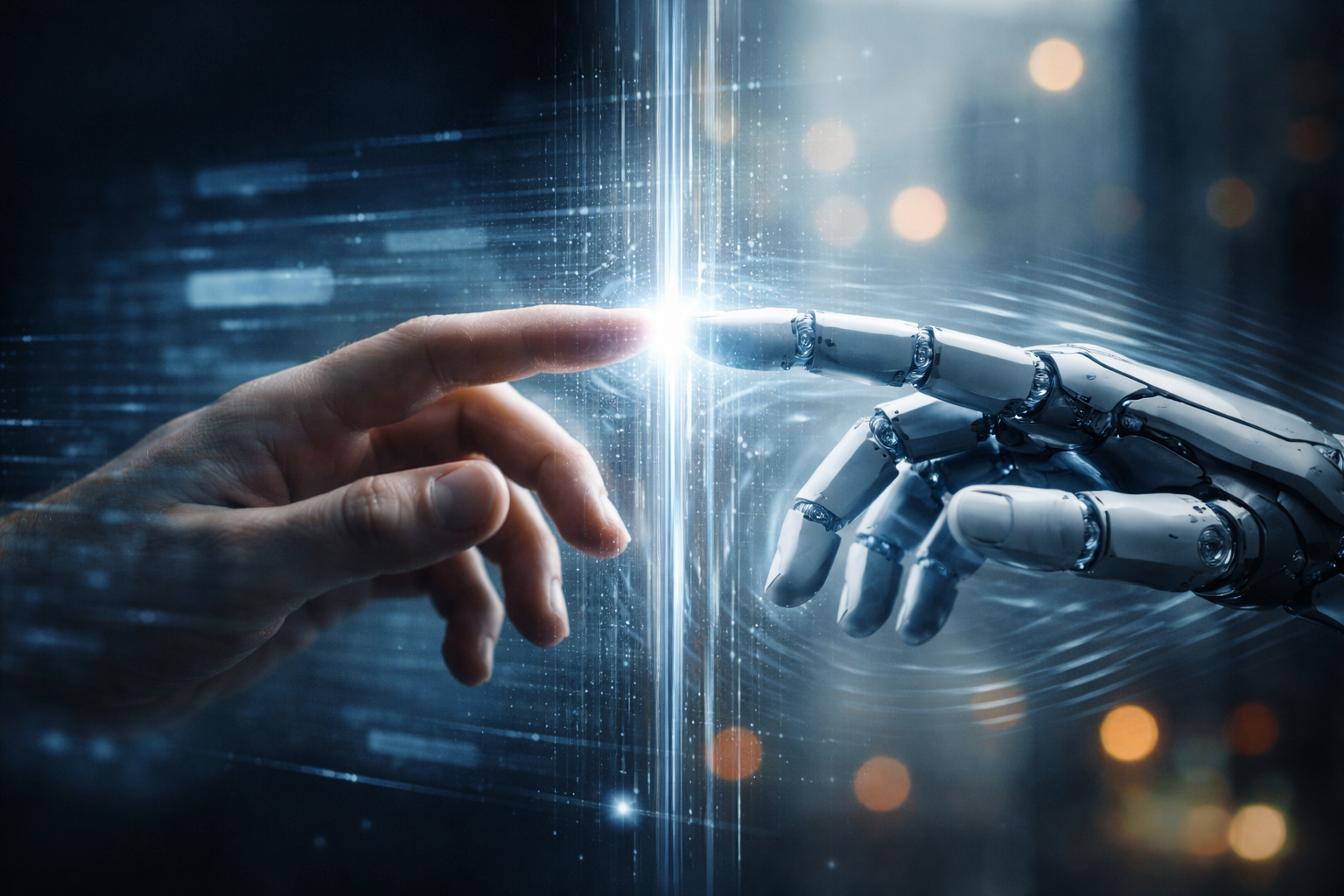
This journey from seeking solace to seeking solutions leads us to a far more consequential frontier: justice. Imagine a courtroom of the future, free from human bias, fatigue, or emotion. An AI judge, analyzing petabytes of evidence at lightning speed, delivers a verdict based purely on fact and statute. It sounds like the pinnacle of fairness. But is it?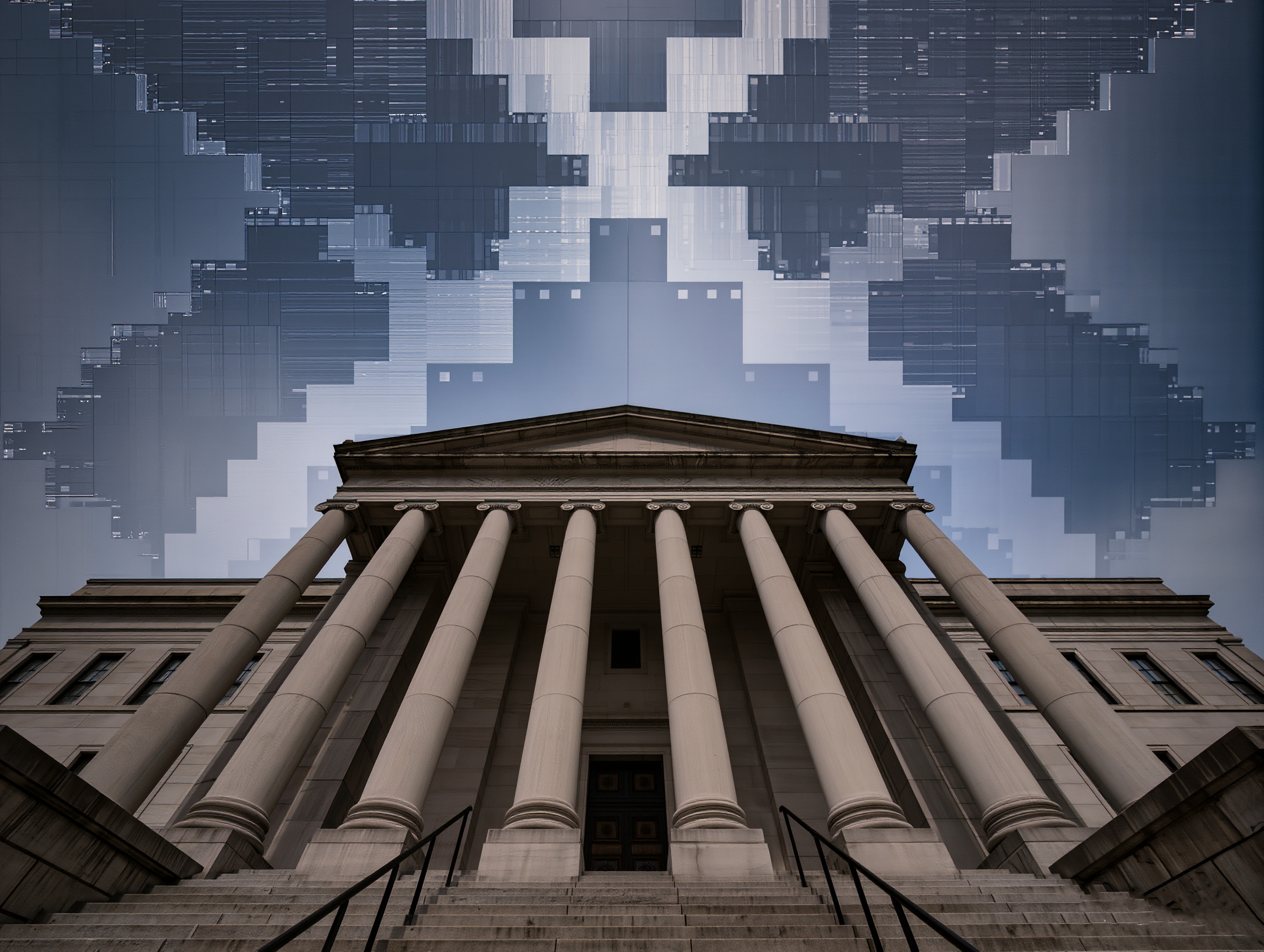
Law has never been pure mathematics. Behind every case lies a story woven with context, motive, and societal nuance. Consider two thefts: one by a desperate parent feeding their child, another by a billionaire driven by greed. A purely factual AI might see only “property crime.” It cannot weigh desperation against malice, or understand the concept of redemption. It lacks what Justice Benjamin Cardozo once called “a feel of the situation”—the human intuition that breathes life into the dry text of the law.
The most dangerous allure of AI is its promise of perfect, emotionless rationality. But in its quest to eliminate human “flaws,” it risks stripping away our essential “humanness”: mercy, compassion, and the wisdom that sometimes, justice must look beyond the binary. An AI can be a mirror, reflecting all facts with perfect clarity, but it cannot understand the tears on the reflection’s face. Should we ever grant a system without a conscience the absolute power of judgment?.png?w=2364&h=1773)
So, where does this leave us? The goal cannot be rejection, but conscious balance.
In our personal lives, this means using AI as a tool, not a replacement. Let it draft the email, suggest the recipe, or summarize the article. But when your heart is heavy, have the courage to pick up the phone. Protect the sacred, irreplaceable space of human connection..png?w=2364&h=1773)
For our societies, as we inevitably integrate AI into critical systems like law, we must design it not as a judge, but as a powerful assistant. Let it flag inconsistencies in testimony, analyze legal precedents, and manage data. But cement the final, accountable decision—the weighing of justice, fairness, and soul—within a framework of human oversight and ethical review. The EU’s AI Act, which mandates strict risk assessments for high-stakes AI, points the way: technology must serve humanity’s values, not override them.
The ultimate test of our age may be this: Can we harness the cool brilliance of the machine to warm, rather than chill, the human experience? The answer lies not in the code we write, but in the boundaries we choose to keep.